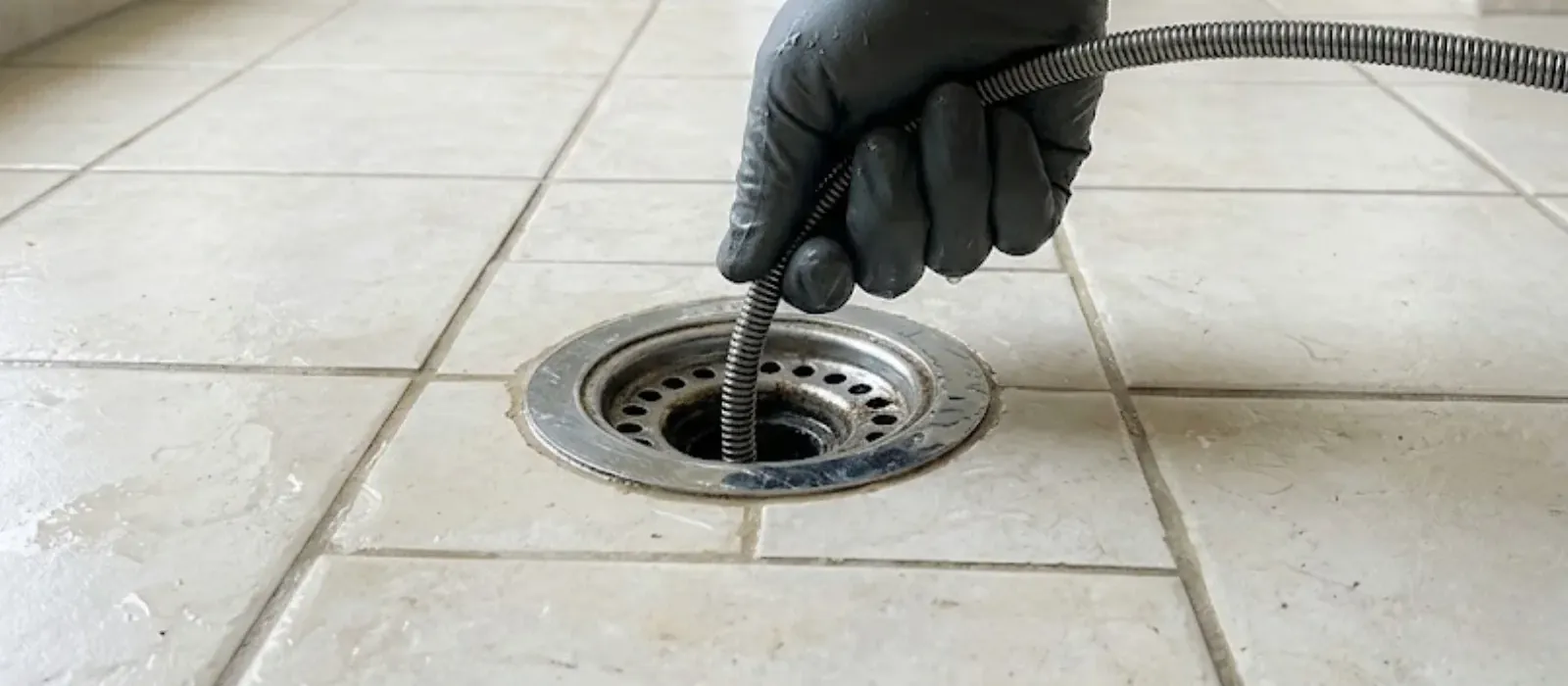
A backed-up drain at night is still an emergency
Some clogs can wait until morning. A slow bathroom sink is one of them. A kitchen line that pushes grey water up into the second basin, a tub that gurgles when the washer drains, or a toilet that rises instead of falling are different, because the water has nowhere to go but your floor.
If more than one fixture is slow at the same time, the blockage is usually in the branch or main line, not in a single trap. That is the case where a store-bought plunger and a bottle of drain opener buy you an hour at best and can leave caustic liquid sitting in the pipe for the plumber to deal with.
Which drain is giving you trouble?
Where the water backs up tells a plumber a lot before the truck arrives.
Kitchen sink
Slow draining, a gurgle, or a standing second basin. Grease and food solids are the usual cause.
Shower or tub
Water pooling around your ankles. Hair wound with soap scum is the most common plug.
Several fixtures at once
A toilet gurgles when the shower runs. This points to the branch line or main, so stop using water.
Floor or laundry drain
Water rising near the washer standpipe or a floor drain in the garage or laundry room. Lint and sludge build up in the trap.
Why kitchen sink clogs keep coming back
Grease leaves the sink as a warm liquid and sets into a waxy coat on the cold pipe wall a few feet down. Every pan of rinse water adds another layer, and the opening shrinks until a spoonful of rice can seal it. Snaking a hole through the middle clears the water for a week or two, then the coat catches new debris.
A proper clearing cuts the coat off the pipe wall with the right cutter head, rather than just poking through it. If the line is badly coated, a plumber may recommend hydro jetting so the whole run is scoured, not just the first few feet.
Water rising in the sink right now?
Sink, tub or toilet backing up? Call (561) 448-8545 and say which one.
Snake, camera or jet: which method fits your clog
A plumber chooses by what the pipe is doing, not by what is cheapest to run. This table shows the usual match.
| Method | Best for | What it will not fix | Typical sign you need it |
|---|---|---|---|
| Hand or drum cable (snaking) | Hair, soap and paper plugs in a sink, tub or toilet branch | Heavy grease coats and tree roots, which grow back | One fixture slow or stopped, rest of the house fine |
| Camera inspection | Repeat clogs, odd odors, or a clog that cleared and returned | A clog itself, since the camera only finds the cause | Same drain blocks every few weeks |
| Hydro jetting | Grease, scale and sludge lining the whole pipe wall | A collapsed or offset pipe, which needs sewer line repair | Slow drains throughout the house |
| Main line cable with root cutter | Roots entering at a joint, deep blockages in the sewer lateral | A broken pipe that keeps letting soil in | Toilets gurgle or back up into the lowest tub |
If the clog is out in the yard cleanout rather than inside the house, the work shifts to sewer line cleaning, which has its own tools.
What happens on a drain cleaning visit
The routine is simple and you should see each stage.
- 1
Find the blockage point
The plumber runs water, listens, and checks other fixtures to learn whether the plug is in one trap or a shared line.
- 2
Choose the tool
A small drum cable for a sink, a larger cable for a main, a camera when the story points to something deeper.
- 3
Clear and test
Water runs at full flow for several minutes to confirm the pipe is open, not just wet.
Older pipes, seasonal homes and what that means for drains
The median Wellington home was built in 1995, and more than three-quarters of the village's housing units date from 1980 to 2009. Drain lines that old have had a long time to collect scale and grease, so a repeat clog is often a pipe-condition problem, not bad luck. A camera run is the quick way to find out.
Seasonal homes can sit empty for part of the year. A trap that stays dry can let sewer odor into the room, so run water in every drain for a minute when you return, and call if the smell stays after that.
How traps and vents are laid out is a matter for the Florida Building Code, Plumbing volume, which is based on the International Plumbing Code (IPC). That is why a plumber checks venting when a drain gurgles.
What decides the price of clearing a drain
Drain work ranges from a quick trap clear to a full main line job, so a fixed number over the phone would be a guess. The technician names the price after seeing the line.
If a clog caused water damage, a sudden overflow from a failed pipe is often covered by homeowners insurance, while slow build-up and maintenance issues usually are not. Check your policy and ask the plumber for written findings you can pass along.
What to do while you wait for the drain plumber
Small steps limit the mess before the cable goes in.
Stop adding water
No flushing, no dishwasher, no washer. Every gallon you add has to go somewhere.
Clear the work space
Empty the cabinet under the sink and move rugs. Put a bucket under the trap if you can reach it.
Skip chemical openers
Caustic liquid can splash back and burn skin. Tell the plumber if you already poured some in.
Locate the cleanout
If you know where the outside cleanout cap is, note it. It saves time if the main is the problem.
Shower, tub and drain line leaks
Slow shower drains are mostly hair caught on the strainer crossbar or in the first few inches of the trap, and they clear quickly with a small cable. If a tub drains but the ceiling below stains, the problem is a leaking drain line, not a clog, and leak detection is the right next call.
Drain pipe repair comes up when a camera shows a cracked or sagging section. Patching around a belly in the pipe only delays the clog, so a repair plan is built from what the camera shows.
Questions homeowners ask
Yes. The 24/7 line is open 24 hours every day, including nights, weekends and holidays. A dispatcher takes your details, and a licensed plumber is sent as soon as one is available.
Same-day appointments are offered when available, and the price is explained before work starts.
It is better not to. The liquid sits in a stopped pipe and can splash on a plumber, and some products damage older metal or plastic fittings. Boiling water is also risky on some plastic traps.
Two signs together point to it: more than one fixture drains slowly, and the lowest tub or shower gurgles when a toilet flushes. If so, stop using water and call. A sewer line cleaning visit usually follows.
Usually the pipe wall is coated, rooted or sagging, and a quick snake only opens a channel. A camera look shows which one it is, then you can decide between jetting and repair.
We do. Our Royal Palm Beach page covers the ZIP codes nearby, and the same 24/7 line applies.
Still have a question? Call (561) 448-8545