What we install, and what to have ready
This table covers the most common installation jobs and the one thing that tends to change the plan.
| Job | What we do | Usually matters most |
|---|---|---|
| Kitchen or bath fixtures | Set faucets, sinks, vanities and toilets | Fixture is on site and fits the cutout |
| Shutoff valves | Add or replace quarter-turn valves | Condition of existing stubs |
| Water lines | Run new supply to a bath, laundry or outdoor spigot | Access through walls, attic or crawl space |
| Washer and dishwasher hookups | Install supply, drain and boxes | Location of the drain |
| Backflow assemblies | Install and test devices | Local rules and annual testing |
| Gas lines | Pipe appliances such as ranges and dryers | Pressure test and utility rules |
If you are replacing a faucet only, see faucet repair. For a full toilet swap, our toilet repair page explains the steps.
How an installation job runs
- 1
Walk the job
The plumber looks at the space, the existing connections and the fixture you chose, then explains what will be needed.
- 2
Price agreed
You approve a clear price before any work begins. If the plan changes mid-job, you hear about it first.
- 3
Prepare the rough-in
Shutoffs are closed, old fixtures are removed, and supply and drain connections are adjusted to fit.
- 4
Set and connect
The new fixture is mounted, connections are tightened, and sealants are applied where needed.
- 5
Test and walk through
We run water, check for leaks under pressure, and show you the shutoff locations.
Backflow device installation and testing
A backflow assembly stops water from reversing direction and pulling contaminants into the clean supply. They are found on irrigation systems, fire lines, boilers, pools and many commercial connections.
The Village of Wellington's Cross Connection Program requires backflow prevention devices to be tested annually, and the Building Division has a backflow permit packet. Florida Administrative Code 62-555.360 also prohibits cross-connections without proper backflow protection. We install new assemblies, test existing ones, and repair or replace those that leak at the relief port or fail a test. Keep your test records somewhere easy to find, because you will need them every year.
Planning an installation?
Call and talk it through with a licensed plumber.
Gas line work and safety
A plumbing contractor's scope under Florida law includes natural gas and LP gas piping, so we can run lines for ranges, dryers, water heaters and outdoor appliances. Every new gas connection should be pressure tested before it is used.
If you ever suspect a gas leak, leave the building first. Call the gas utility or 911 from outside, and do not flip switches or use a phone indoors. Call us afterward for repairs, not before.
Permits, code and the electronic process
The Village of Wellington processes permits electronically through its Building Division, and its application says a separate permit must be secured for plumbing. Wellington's plumbing checklist cites the Florida Building Code, 8th Edition (2023). The new small-job permit exemption that took effect on 1 July 2026 does not apply to plumbing or gas work, according to the village's own page.
In practice, that means a bigger install should not start until you know whether a permit applies. The Village of Wellington's permit application says a separate permit must be secured for plumbing, so ask the Building Division what your job needs, and let your plumber tell you what is usually required. Choosing a licensed contractor also protects you: you can verify any license with the Florida DBPR before work starts.
The Plumbing volume of that code is built on the International Plumbing Code (IPC), the book an installer and an inspector both work from, which is why venting, fixture spacing and pipe sizing are settled before the walls close.
Do it yourself or hire a licensed plumber
Reasonable for a handy homeowner
- Swapping a showerhead or a bathroom faucet when the shutoffs work
- Replacing a toilet seat or fill valve
- Installing a drop-in kitchen faucet
- Adding a hose bib splitter
Better with a licensed plumber
- Any new water line behind a wall or in a slab
- Gas piping of any kind
- Backflow assemblies and irrigation tie-ins
- Work that needs a permit or inspection
If the shutoff valve will not close, stop and call. A seized valve turns a quick install into a flood.
New construction and remodel plumbing
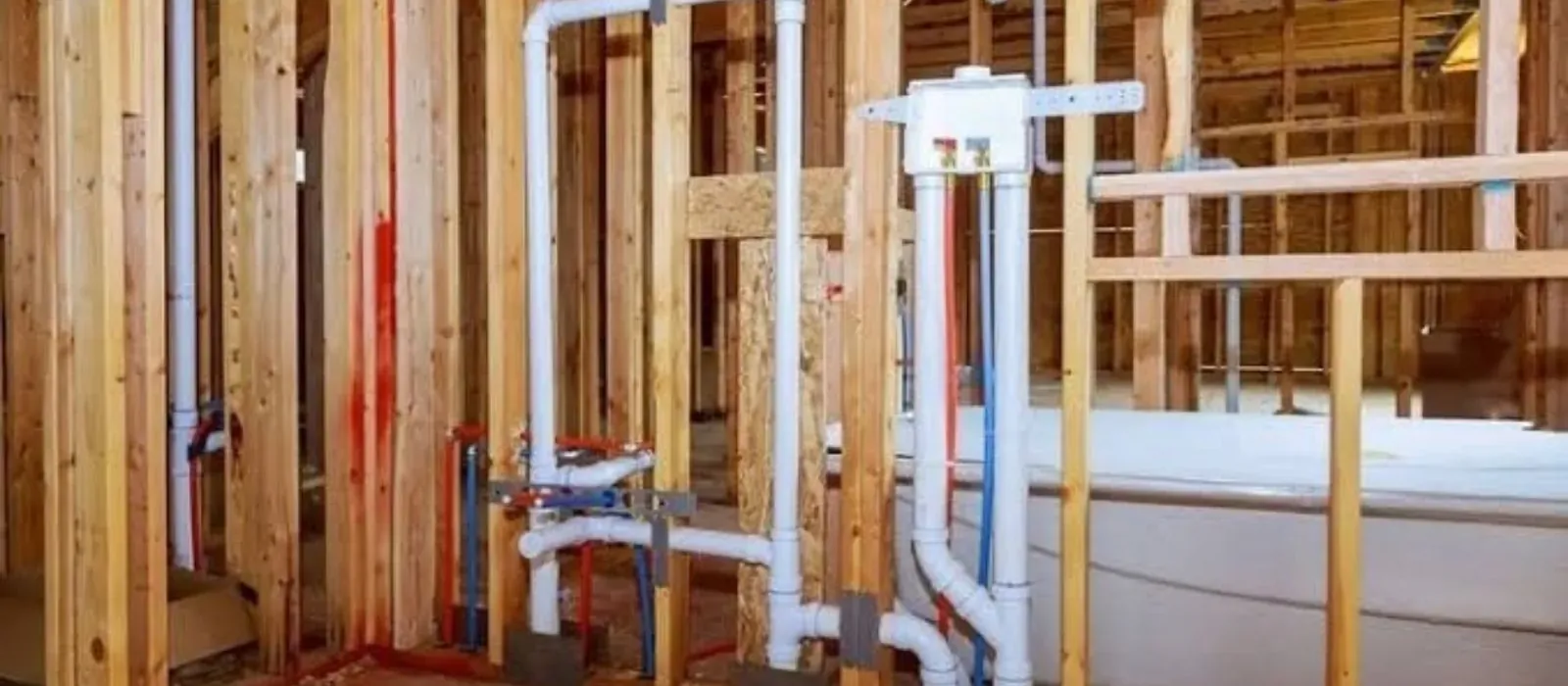
New homes and additions need rough-in plumbing before walls close: drain and vent lines, water supply, and stubs for each fixture. Remodels often relocate a kitchen or bath, which means rerouting drains to keep proper slope.
We coordinate rough-in with framing and finish work, and set the final fixtures once flooring and cabinets are in. Builders and homeowners should call early, since plumbing decisions made after drywall are expensive. An ejector pit, where a below-grade fixture must lift waste upward, is installed at this stage as well.
What shapes the cost of an installation
A hose bib and a full bath rough-in are very different jobs. A technician looks at yours, then gives you a price to approve.
Installation upgrades are typically not covered by insurance. Damage from a sudden failure afterward may be, so keep your invoice.
Where this fits with other plumbing work
Installation often sits next to other projects. Older homes may need repiping before new fixtures make sense, and a slow drain behind a new sink might lead you to drain cleaning first.
We serve Wellington and nearby areas such as Royal Palm Beach. The phone is answered 24 hours a day, but installations are scheduled around your plans.
Questions homeowners ask
Permit rules vary by job, so ask the Village of Wellington Building Division. The small-job exemption does not cover plumbing, and a licensed plumber can tell you what is usually required.
Yes. Have the box and instructions ready so the technician can check the fit.
The village's Cross Connection Program requires annual testing. We can test, repair or replace the device.
Yes. Plumbing contractors may install natural gas and LP gas piping. If you smell gas, leave the building and call the gas utility or 911 first.
A single fixture often fits in one visit. New lines and rough-in take longer, and the plumber gives you a plan before starting.
Yes. We set the pit, pump and discharge piping where the layout of the home needs one.
Look the contractor up with the Florida DBPR. A business tax receipt is not a license.
Still have a question? Call (561) 448-8545